Rob Reiner and His Wife Michele!
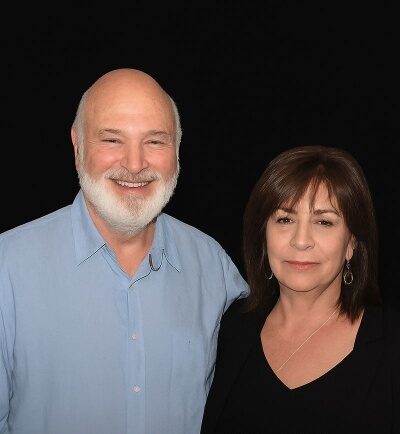
For decades, Rob Reiner has been one of the most influential storytellers in American film. His work has explored love, loyalty, moral struggle, humor, and the quiet ways people break—and heal. Few filmmakers have shaped popular culture with such consistency and emotional clarity.
From his early fame on All in the Family to directing enduring classics like When Harry Met Sally, A Few Good Men, Stand by Me, and The Princess Bride, Reiner helped define how generations understand friendship, romance, integrity, and conscience. These films weren’t just successful—they became reference points. Quoted endlessly. Rewatched across decades. Studied not for spectacle, but for heart.
Reiner’s greatest strength as a director was trust. He trusted audiences to feel deeply without being told what to feel. He trusted complexity over simplicity, sincerity over cynicism. That approach gave his work a lasting cultural weight that many louder, flashier films never achieved.
A Life Lived Mostly Out of the Spotlight
Away from the camera, Reiner’s life followed a far quieter rhythm. He and his wife, Michele Singer Reiner, built a long marriage grounded in partnership rather than publicity. In an industry known for instability, their relationship stood out for its steadiness. Family came first, even as professional success continued to grow.
Like many families, theirs was not untouched by hardship. Their son Nick’s struggles with addiction became a painful and deeply challenging chapter. Addiction does not follow a script—it brings uncertainty, fear, and repeated heartbreak. For parents, it introduces a constant tension between hope and helplessness.
Nick’s journey included instability and loss, but also persistence. Recovery did not come quickly or cleanly. It came through time, setbacks, and relentless effort. Eventually, he found his footing again, rebuilding his life through creative work and writing. His story became a reminder that survival is rarely linear, and that love alone cannot prevent suffering—but it can offer a lifeline.
When Headlines Outrun Humanity
In recent days, online conversations and speculative narratives have circulated that sharply contrast with the public’s long-held image of this family. While no confirmed information supports such claims, their spread highlights something deeply troubling about modern media culture.
In the digital age, rumor often moves faster than truth. Stories involving public figures can shift from reflection to sensationalism in hours. When that happens, nuance disappears, and real people are reduced to imagined outcomes rather than lived realities.
This moment serves as a reminder: responsible storytelling matters—especially when real families and reputations are involved.
Legacy Is Built Over Time, Not Moments
Rob Reiner’s legacy cannot be condensed into a single headline or hypothetical ending. It is decades of work that explored dignity, courage, love, and moral responsibility. It is a body of films that continues to influence storytellers across generations. It is also a willingness to engage publicly with values, even when doing so invites disagreement.
Michele Reiner’s legacy is quieter but no less important. She helped build a family that endured pressure, fame, and pain without losing its center. That kind of contribution rarely draws attention—but it sustains everything around it.
And Nick’s story continues to resist easy conclusions. It exists at the crossroads of privilege and vulnerability, creativity and struggle. Like most real lives, it does not resolve neatly.
The Story Beneath the Story
The Reiner family reflects a fuller picture of life behind the Hollywood curtain: achievement alongside struggle, stability alongside strain, love that persists even when certainty disappears.
In a media environment driven by engagement and extremes, it’s tempting to reduce lives to moments of shock. But legacies aren’t built—or erased—by rumor. They are built through years of choices, failures, repair, and commitment.
Rob Reiner spent his career reminding audiences that people are rarely just one thing. That truth matters now more than ever.
Art outlives headlines. Love outlasts speculation. And a life honestly lived cannot be undone by imagined endings.
What films or stories have shaped the way you see humanity? Share your thoughts in the comments and join the conversation.