What’s in Paprika? People Are Surprised by the Answer
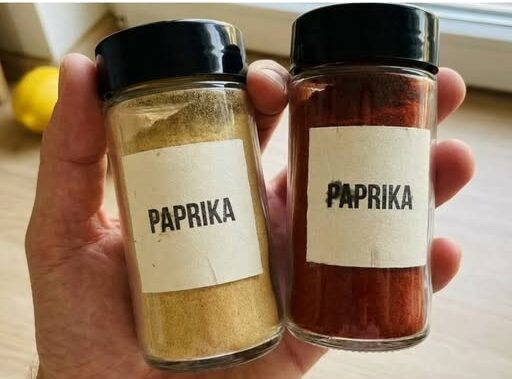
Paprika—the fiery-red dust that colors deviled eggs, stews, and roasted potatoes—is finally getting the recognition it deserves. For decades, it lived quietly on spice racks, assumed to be exotic, mysterious, or even magical. But a viral wave on TikTok and Instagram recently set the record straight: paprika isn’t harvested from some “paprika tree.” It’s simply dried and ground red peppers—Capsicum annuum—plain and powerful.
The revelation shocked millions. Social media comments exploded with confessions of imagined exotic origins, from rare seed pods to mystical shrubs. The truth, however, is surprisingly humble: paprika is a concentrated, sun-dried version of the everyday red bell pepper. This simple vegetable, long overlooked, is a secret powerhouse of flavor, history, and culinary magic.
From Field to Spice Rack
Paprika starts in the fields, where red peppers ripen to a deep, vibrant hue. Only fully matured peppers deliver the sweetness and rich carotenoids that give paprika its signature color and flavor. After harvesting, the peppers are dehydrated—traditionally hung in long garlands called “fűzér” in Hungary or smoked over oak in Spain for pimentón. Industrial production now uses controlled dehydrators for consistency and safety. Once brittle, the peppers are ground, with seeds and membranes removed for sweet paprika or left in for a spicy kick. One pound of paprika can take up to ten pounds of fresh peppers—a true concentration of vegetable power.
DIY Paprika: Bringing the Spice Home
The social media buzz didn’t just shock; it inspired. Making paprika at home is surprisingly easy. Slice ripe red bell peppers, dehydrate them in a low-temperature oven or dehydrator until cracker-dry, then grind. The result is a vibrant, aromatic powder that far surpasses stale store-bought tins. Suddenly, what felt like an exotic pantry essential becomes an achievable, garden-fresh creation.
Why It Matters
Understanding paprika’s real origin changes more than your kitchen trivia—it changes how you cook. Realizing that a complex goulash owes its warmth to a humble vegetable makes cooking feel accessible and empowering. It also emphasizes freshness: paprika, like any dried produce, loses flavor over time. Experts recommend using paprika within six months for the most aromatic, flavorful experience.
This “paprika awakening” is part of a bigger movement toward food literacy, reconnecting us with the origins of what we eat. Next time you sprinkle paprika on eggs, stews, or roasted veggies, remember: you’re adding the sun-dried, garden-grown essence of red peppers, a simple ingredient with an extraordinary punch.
Ready to elevate your dishes? Grab some fresh red peppers, try making your own paprika, and taste the difference!