He was only 13 when he lost his STAR mother!
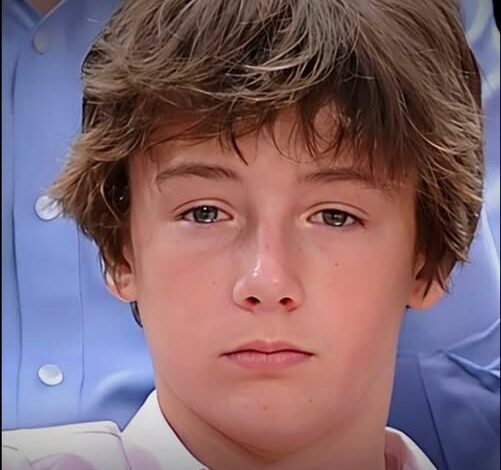
Carrying Her Name: Micheál Richardson’s Tribute to His Mother
At just thirteen, Micheál Richardson’s world changed forever. Losing his mother wasn’t just the loss of a parent—it was the abrupt end of a childhood built on love, creativity, and security. For Micheál, the story of his family is inseparable from one of Hollywood’s most enduring and quietly powerful romances: Liam Neeson and Natasha Richardson.
Their story began away from the tabloids. In 1993, Neeson and Richardson met while starring in the Broadway revival of Anna Christie. Onstage, their chemistry was undeniable; offstage, a deep connection quietly grew. When Richardson’s marriage ended, what followed wasn’t a whirlwind affair, but a steady, committed partnership. They married in 1994, choosing family over spectacle, forging a bond rooted in trust, respect, and shared values.
Natasha’s confidence in their relationship was striking. She once said she never worried about women admiring her husband, remarking, “I’m pleased that women fall in love with him because I know why.” That trust and mutual respect defined their marriage and shaped the environment in which Micheál and his younger brother Daniel grew.
Parenthood deepened their connection. Micheál was born in 1995, Daniel eighteen months later. Despite fame, Neeson and Richardson protected their children from Hollywood’s glare, keeping home life sacred and normal.
That sense of safety was shattered in 2009. While skiing in Canada, Natasha suffered a seemingly minor fall. She brushed it off, declining medical attention. Hours later, her condition worsened drastically. Doctors confirmed a traumatic brain injury, and she was declared brain dead. Liam Neeson faced the heartbreaking decision they had discussed long before: honoring Natasha’s wish not to be kept alive artificially when recovery was impossible. She was only 45.
For Micheál, grief arrived at an age when parental guidance is essential. Identity, stability, and security all vanished overnight. Neeson later described the silence that followed her death as unbearable, a quiet that settled over their home and their lives.
But grief can also inspire legacy. Micheál found solace and purpose in acting. He appeared in films and television projects including Anchorman 2: The Legend Continues, Vox Lux, Big Dogs, Broken Symphony, and Paradise, gradually carving out his own artistic identity while honoring the influence of his parents.
Years later, Micheál made a deeply personal choice: he changed his surname from Neeson to Richardson. It wasn’t a publicity stunt or rejection of his father—it was a tribute. “It was mainly like a homage to my mother, a way to carry her with me,” he told The Times. Liam Neeson fully supported the decision, calling it “a lovely gesture” that deeply moved Natasha’s family.
Father and son have since worked together on screen in films like Cold Pursuit and Made in Italy, exploring themes of grief, healing, and reconnection. Audiences sense authenticity in their performances: shared loss, shared love, shared resilience.
Today, Micheál Richardson continues to build his career deliberately, without shortcuts or spectacle. He carries his mother’s name, her spirit, and her artistic integrity forward. Through his life and work, tragedy has been transformed into tribute—proof that legacy is not inherited automatically; it is chosen.
Natasha Richardson may have left the world too soon, but her influence endures: in Micheál’s journey, in performances that move audiences, and in a love story that remains one of Hollywood’s most sincere. If pride exists beyond life, there is little doubt she would feel it now.
How do you honor the people who shaped your life? Share your thoughts and join the conversation.


