Caught an Insect in Your Hair? Here’s How to Remove It Safely
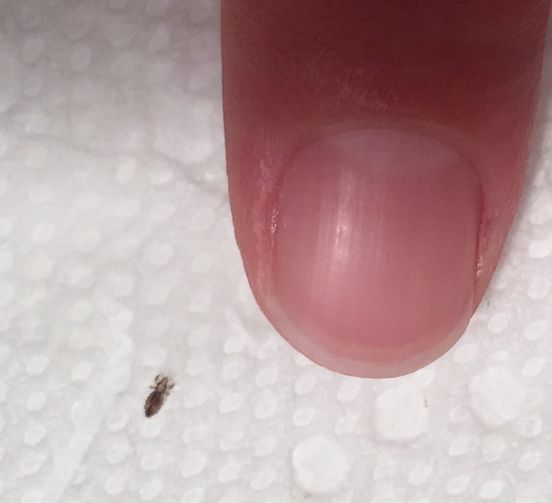
Head lice: the tiny, itchy invaders that can spark instant panic—but don’t worry, they’re far more common than you think and have nothing to do with hygiene. Found mostly in schools and childcare settings, these small critters thrive on close contact, making kids the most frequent hosts. Understanding them and tackling them methodically can save your household from chaos and get everyone back to normal—fast.
Head lice are wingless insects that survive on tiny amounts of blood from the scalp. Their real challenge? Nits—the eggs stuck to hair with a glue-like coating near the scalp, perfectly warmed for development. While lice don’t spread disease, the itching they cause is intense and relentless. They can’t jump or fly, so they rely on crawling and head-to-head contact to move. Once away from a scalp, they die quickly—usually within 48 hours.
Step one: medicated shampoos or lotions designed to kill live lice. Follow instructions precisely—the timing and dose are key. But even the strongest treatments rarely reach nits, which is why “wet combing” is the ultimate weapon. After dampening hair with conditioner or treatment, use a fine-toothed metal nit comb. Work in small sections, combing from scalp to tip, and wipe the comb on a white paper towel after each pass. It takes patience, but it’s the most reliable way to eliminate every last louse and egg.
Step two: repeat. A second treatment about 7–9 days later catches any newly hatched lice that survived the first round. Meanwhile, tackle the home environment: pillowcases, hats, and hair ties used in the last 48 hours should be washed in hot water and dried on high heat. Items that can’t be laundered? Seal them in a plastic bag for two weeks to ensure any lingering lice perish.
Prevention is just as crucial as treatment. Teach kids not to share hats, hair accessories, headphones, or helmets. Regular “peek checks” behind the ears and at the nape of the neck, especially during school outbreaks, catch infestations early before they spread. Maintaining calm and routine during detection turns what feels like a crisis into a manageable process.
With diligence, patience, and the right tools, head lice are not a disaster—they’re just a temporary, fixable nuisance.


