He did not read a book until he was 31, then a diagnosis led him to inspire kids with similar struggles
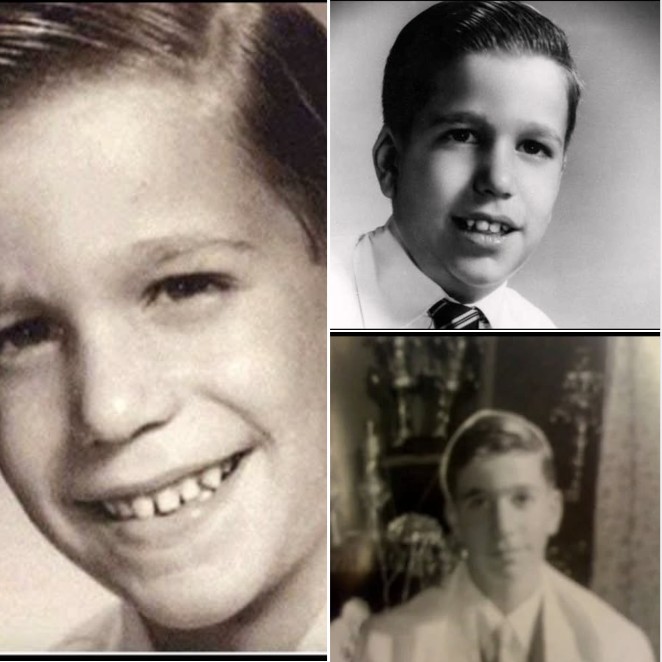
From Struggling Student to Beacon for Kids With Dyslexia
Henry Winkler’s journey to fame wasn’t straightforward. Today, he’s a household name — the lovable, charismatic actor whose timing feels effortless. But what the world never saw was how hard he had to fight for every step — not because he lacked talent, but because the very system designed to measure intelligence convinced him for decades that he didn’t have any.
Growing up, Winkler’s parents, German Jewish immigrants who had survived unimaginable hardships, placed immense value on academics. They didn’t understand why their bright, articulate, and creative son struggled in school. And so their assumptions hardened into labels: lazy. Stupid. Not living up to potential.
Winkler tried everything — memorizing lessons, improvising answers, hiding the fact that reading didn’t come naturally. His teachers grew frustrated. His parents grew stricter. And Henry shrank inside himself, carrying a quiet, daily sense of failure.
Despite these challenges, he pushed through college and earned an MFA from Yale, one of the country’s most prestigious drama programs. Talent got him in; determination got him through. But the learning struggles followed him like a shadow, especially in the world of acting, where scripts, rewrites, and memorization dominated every day.
When he landed the iconic role of Arthur “Fonzie” Fonzarelli on Happy Days, his career skyrocketed. Fame didn’t erase the daily embarrassment of struggling with lines, nor the fear of being “found out.” People thought he was charmingly spontaneous; the reality was necessity disguised as charisma.
It wasn’t until Winkler became a stepfather that the pieces began to click. Watching his stepson struggle with similar challenges, he pursued testing. The diagnosis shocked him: dyslexia. At thirty-one, he finally had a name for the lifelong difficulty that had shaped so much of his life.
First came anger — at the years of misunderstanding, at the shame and accusations. But Winkler didn’t stay there. He turned his experience into purpose.
He co-created the Hank Zipzer children’s book series, featuring a young boy with dyslexia navigating school, friendships, and frustration with humor and grit. Hank isn’t a superhero; he’s a kid just trying his best in a world that often fails to accommodate the way his brain works.
The books struck a chord. Letters poured in from children who had felt isolated, misunderstood, or labeled as “slow.” Winkler replied to every one, delivering the message he had longed to hear:
“Your learning challenge will not stop you from achieving your dream. Only you can stop yourself.”
Winkler’s career has spanned decades — acting, producing, writing, and winning awards. But when asked what matters most, he doesn’t point to trophies. He points to the books and the impact they’ve had on kids who now know they’re not alone.
Dyslexia didn’t disappear. He still deals with it every day. But what once felt like a limitation is now a tool for empathy and inspiration. Instead of hiding his struggles, Winkler uses them to empower others, proving that intelligence isn’t measured by speed or neatness — it’s measured by what you create from the pieces you’re given.
Henry Winkler’s story isn’t about “overcoming” disability. It’s about understanding it, living with it, and transforming it into something meaningful. For every child staring at a page and feeling defeated, his life stands as proof that challenges don’t define you — what you do with them does.


