High Cabinets, Hidden Uses! Discover Their Overlooked Function!
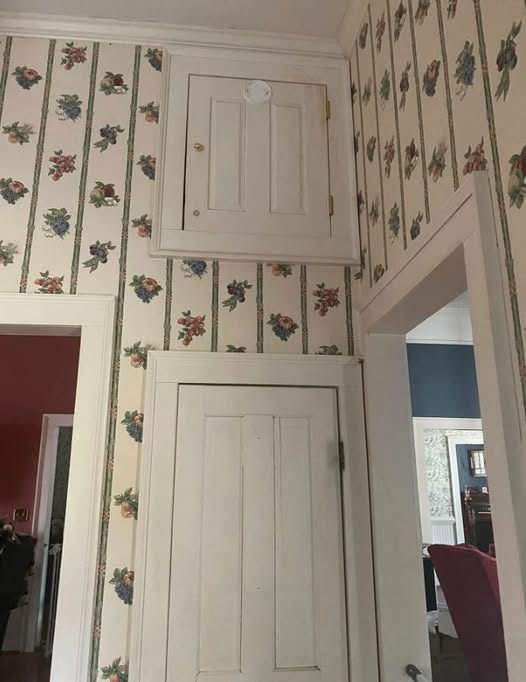
While walking through an older home, whether it is a Victorian built more than a century ago or a simple mid-century bungalow, you may notice a small cabinet placed unusually high on a wall. Sometimes it sits above a doorway, other times near the ceiling in a kitchen or hallway. These cabinets are often shallow, awkwardly positioned, and difficult to reach without a step stool, which can make them seem impractical by today’s standards. In reality, they were a thoughtful and intentional feature, designed for a time when every inch of living space mattered.
In the late nineteenth and early twentieth centuries, homes were generally smaller, and storage options were limited. People owned fewer possessions, but those items needed to be carefully organized. These high cabinets provided a place for belongings that were useful but not needed every day. Seasonal linens, special clothing, keepsakes, or travel items could be stored safely out of the way. By using vertical space that might otherwise go unused, households were able to keep their main living areas tidy and functional.
These cabinets also reflect the craftsmanship of early builders. Rather than relying on standardized designs, many homes were built with custom solutions tailored to the shape and layout of each room. When a gap appeared near the ceiling or above a closet, builders often turned it into usable storage instead of sealing it off. This approach reflected a mindset focused on efficiency and durability, where no space was considered wasted and every feature served a purpose.
In some regions, home design choices were also influenced by local property assessment practices of the time. Storage features could sometimes affect how a home was classified or valued, so builders favored creative solutions that provided function without altering the basic footprint of a room. High cabinets fit neatly into existing wall space and offered storage without significantly changing the appearance or layout of the home.
Today, these small cabinets feel surprisingly relevant again. As more people embrace smaller homes, apartments, and minimalist living, the idea of maximizing vertical space has regained popularity. Modern homes now incorporate tall kitchen cabinets, lofted storage, and ceiling-mounted solutions that echo the same practical thinking. The lesson remains the same: smart design can often matter more than sheer square footage.
Beyond their practicality, these cabinets add character to older homes. They hint at the lives of previous occupants and the routines that once filled the space. A simple cabinet above a door can spark curiosity and imagination, offering a quiet connection to the past. In contrast to uniform modern interiors, these details give homes individuality and warmth.
There is also a psychological comfort in having storage that is out of sight. Items that are not needed daily can be tucked away, keeping living spaces visually calm and uncluttered. This idea, now central to many modern organization philosophies, was already built into homes generations ago through thoughtful architectural choices.
As housing trends continue to shift toward efficiency and intentional living, the humble high cabinet stands as a reminder that good design does not require excess. It shows how creativity and careful planning can transform limitations into lasting solutions. These small, elevated cupboards remain a quiet example of how past generations built homes that worked hard for the people who lived in them, leaving behind features that still inspire practical living today.