President Trump Reveals When The Tariff Dividend Checks Will Start Going Out!
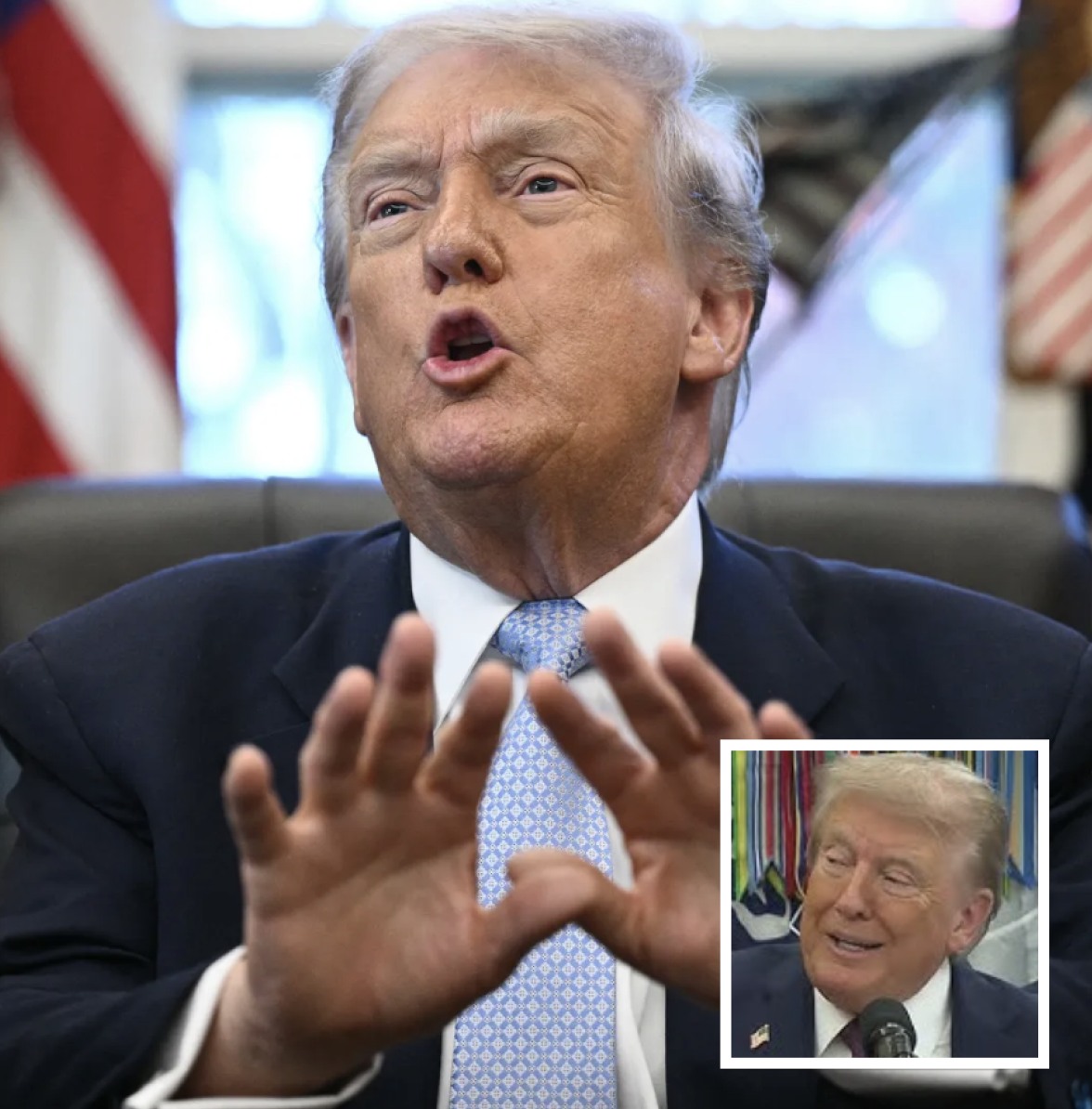
President Donald Trump recently set a clear timeline for one of the most widely discussed ideas of the year: the proposed “tariff dividend” checks. From the Resolute Desk, he announced that Americans could begin receiving $2,000 payments as early as mid-2026. He described the plan as a direct way to provide financial relief to working- and middle-class households, funded entirely through revenue collected from tariffs under his trade policies.
It was his most definitive statement so far, but questions surfaced immediately. The biggest uncertainty was whether the plan could actually move forward.
Treasury Secretary Scott Bessent addressed that concern directly. He explained that the payments cannot happen unless Congress approves them. Lawmakers would need to create and pass legislation authorizing the checks, and at this stage, it is unclear whether Congress is prepared to support a new large-scale payment program. Some members appear open to the idea, others are cautious, and some are openly hesitant about approving major payouts during an election cycle.
Early cost estimates add another layer of complication. The program could exceed $200 billion if the checks are issued to individuals rather than households, even with income limits in place. That figure is far higher than projected tariff revenue for 2025 and would take up nearly half of the expected tariff revenue for 2026. As a result, the numbers only work if tariff revenue grows significantly, if Congress approves additional borrowing, or if spending is reduced in other areas.
Trump dismissed concerns, saying Americans deserve to see benefits from trade policy. Still, the financial challenges surrounding the proposal are difficult to overlook.
A major legal decision now hangs over the plan. The Supreme Court is expected to rule in the coming months on whether the administration’s use of national-security authority to impose broad tariffs was lawful. Those tariffs serve as the foundation of the proposed dividend checks. A ruling against the administration could potentially disrupt the current tariff system and affect the revenue Trump says would fund the payments. Analysts say the impact would depend on the scope of the ruling, but it would likely influence the policy’s future.
The timing of Trump’s announcement also carries political significance. If checks do begin rolling out in mid-2026, they would arrive just months before the midterm elections, creating a noticeable moment for many households. A sudden $2,000 payment would have a strong presence in public conversation, and officials are aware of that.
Economists, however, are voicing concerns. Distributing hundreds of billions of dollars in a short period could risk pushing inflation upward, even as officials say price pressures have eased. Economists note that previous stimulus payments under both parties were followed by periods of rising prices. The administration maintains that the economy is stabilizing and that inflation will continue to cool, but experts warn that a large influx of cash could still influence costs.
Inside the administration, confidence remains the public message. Advisors argue that tariff revenue will continue to build, that inflation will keep declining, and that Congress may support the plan once the legislative details are clearer. Critics in Congress disagree, calling the proposal ambitious, uncertain, or in need of stronger financial backing. Some members say they are open to the concept but want to see exact funding numbers before making a decision.
For now, everything depends on two factors: Congress and the Supreme Court. Without legislative approval and a favorable ruling, the proposed dividend checks remain an idea rather than a guarantee.
Even so, the announcement has generated significant interest. Supporters appreciate the idea of direct payments funded by tariffs rather than tax increases. Skeptics question the financial assumptions. Economists remain cautious. And many Americans are simply waiting to see whether relief will materialize.
At this stage, the proposal is still a possibility rather than a certainty, shaped by decisions that have yet to be made and by outcomes no one can fully predict.