Reporters Ask Trump About $2,000 Checks—His Answer Sparks Discussion
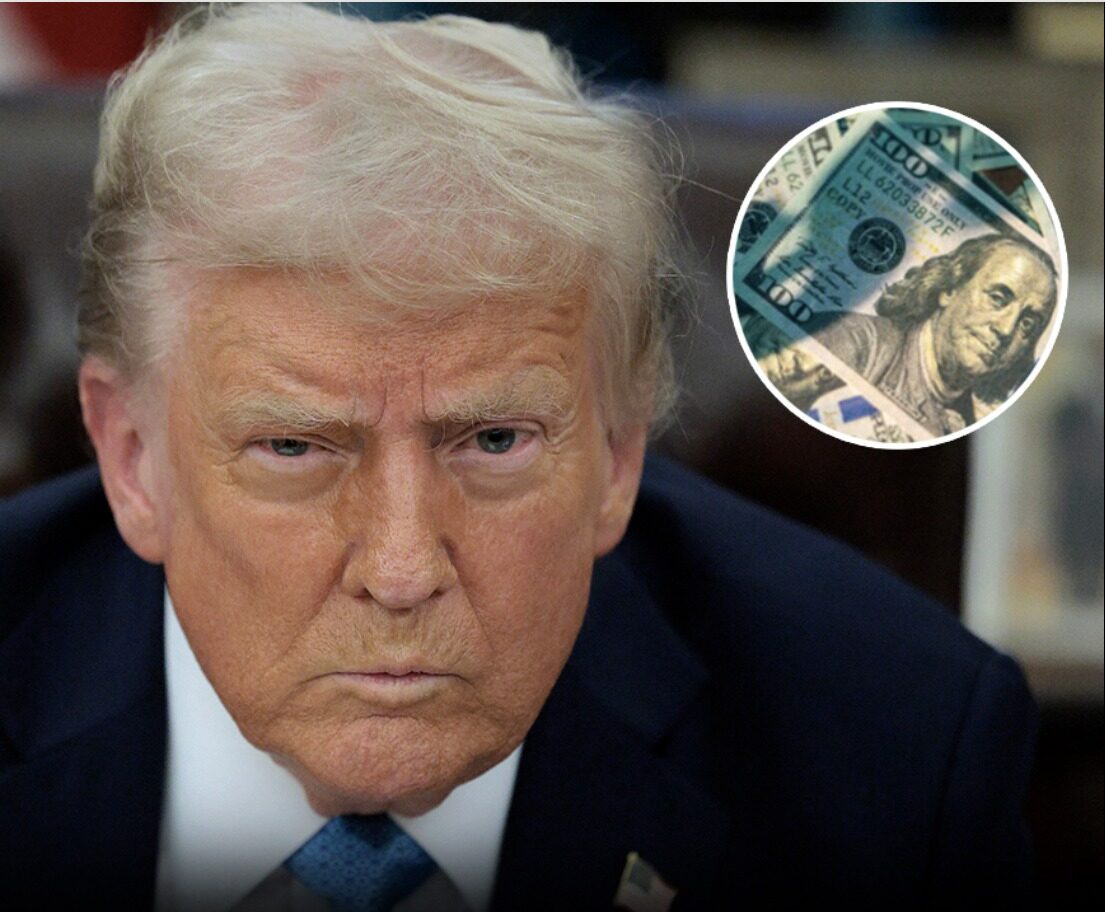
As tax refund season begins, talk of a possible fourth stimulus-style payment in 2026 is once again gaining momentum. President Donald Trump has reignited the discussion by signaling that Americans of low to moderate income could receive sizable payments tied to tariff revenue—potentially before next year’s midterm elections.
Trump recently stated that billions collected from tariffs could be returned directly to the public in the form of what he described as “dividends.”
“We’ve taken in hundreds of millions of dollars in tariff money,” Trump said. “We’re going to be issuing dividends later on… of thousands of dollars for individuals of moderate and middle income.”
However, confusion quickly followed. During a recent Oval Office interview, Trump appeared momentarily unsure when asked about a previously stated promise to issue $2,000 payments to most Americans.
“I did do that? When did I do that?” he asked, before clarifying that he had initially confused the plan with a separate $1,776 bonus program for service members. Still, Trump maintained that $2,000 payments could arrive later in the year, funded by what he called “substantial” tariff revenue.
“The tariff money coming in is very significant,” Trump said. “I think we’ll be able to do the $2,000 toward the end of the year.”
Big Promises, Bigger Questions
The proposal has sparked debate over whether tariff revenue can realistically support such payments. Analysts estimate that issuing $2,000 per eligible American could cost as much as $600 billion, while tariff collections as of late September were closer to $90 billion.
Adding further uncertainty, the administration’s tariff policies face a looming legal test. The U.S. Supreme Court is expected to rule on the legality of the tariffs, and an unfavorable decision could require the federal government to refund collected revenues—potentially eliminating the funding source altogether.
Trump has publicly warned that a negative ruling could have serious consequences, framing the tariffs as a national security measure critical to the U.S. economy.
Inflation Concerns and Alternative Paths
Treasury Secretary Scott Bessent has also urged caution, noting potential inflation risks if large payments are distributed too quickly.
“We’re concerned about inflationary effects,” Bessent said, suggesting that Americans might benefit more by saving rather than immediately spending any windfall. Several Republican lawmakers have echoed those concerns, warning that direct payments could add pressure to already high prices.
Bessent later explained that the proposed “dividend” might not come as a traditional check at all. Instead, relief could arrive through tax changes already under discussion.
“These benefits could take many forms,” he said, pointing to proposals such as eliminating taxes on tips, overtime pay, and Social Security income, as well as expanding deductions for auto loan interest.
He later added that Americans could see larger tax refunds as a result of these changes.
“I think we’re going to see $100 to $150 billion in refunds,” Bessent said, estimating $1,000 to $2,000 per household, along with reduced withholding that could boost take-home pay throughout the year.
What Happens Next?
For now, no formal stimulus legislation has been introduced, and the timing, structure, and funding of any payments remain uncertain. Whether Americans see direct checks, tax refunds, or paycheck increases will likely depend on court rulings, congressional negotiations, and economic conditions in the months ahead.
What is clear is that the idea of another round of financial relief is once again front and center—just as millions of Americans begin filing their taxes and watching closely for what comes next.