Trump fires back at Jimmy Kimmel and ABC, calling them fake news after the host criticized him
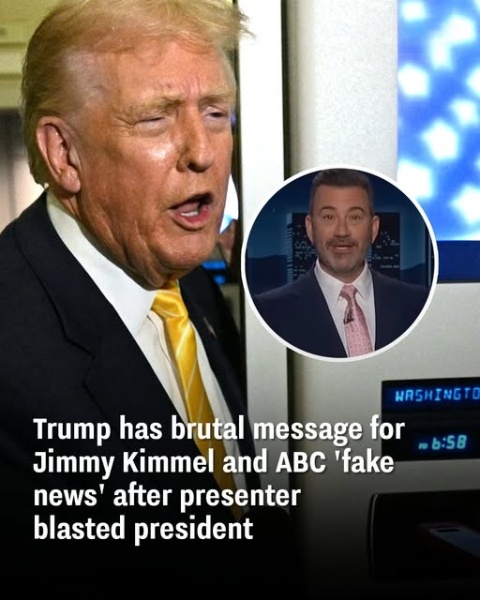
The rivalry between Donald Trump and late-night host Jimmy Kimmel has never been subtle, but their latest exchange has pushed their long-running feud back into the spotlight. With the holiday season approaching, one thing is clear: these two remain firmly on opposite sides of the cultural divide.
The renewed tension began earlier this fall after Kimmel made comments on his show regarding the reaction to the death of conservative commentator Charlie Kirk. Kimmel questioned Trump’s public response and criticized some political voices who he felt were using the tragedy to advance their own narratives. The segment sparked immediate backlash, and ABC briefly suspended Kimmel. Trump publicly approved of the suspension, calling it justified.
But the suspension created its own wave of controversy. Many viewers saw it as an overreaction, and ABC quickly reinstated Kimmel. Instead of returning quietly, Kimmel came back with even sharper commentary. He continued to address Trump in his opening monologues, including jokes about Trump once again missing out on the Nobel Peace Prize and comments about remarks Trump had made toward a female reporter.
Kimmel’s tone struck a chord with his audience, and his monologues generated the kind of viral attention late-night hosts rely on. Trump, however, fired back. On November 20, he posted on Truth Social questioning why ABC continued to employ Kimmel, calling the show biased and criticizing its ratings. The message, delivered in Trump’s familiar style, immediately reignited the online conversation.
Despite Trump’s criticism, industry observers don’t expect ABC to take any action against Kimmel. After the backlash to the earlier suspension, the network is unlikely to make another move that could be seen as politically influenced. If anything, the incident strengthened Kimmel’s position and his resolve to speak openly on the issues he cares about.
Meanwhile, the White House offered clarification on the “piggy” remark that had made headlines. A spokesperson told People magazine that the reporter involved had displayed unprofessional behavior during a press flight, and suggested that Trump’s response had been prompted by that interaction. The explanation did little to quiet the debate, but it added another layer to an already complicated public exchange.
The Trump–Kimmel feud is not new. Over the last several years, their exchanges have become part of the broader political and media landscape. Kimmel’s monologues have taken a more political tone since Trump’s first term, and Trump has often responded directly to entertainers who criticize him. Their back-and-forth has evolved from occasional comments into a recurring storyline that both of their audiences follow closely.
In today’s media environment, where politics and entertainment often overlap, their feud has become a kind of ongoing theater. Kimmel gains laughs, attention, and viral clips. Trump energizes his base, reinforces his message, and keeps the spotlight on his public image. Neither seems interested in letting the conflict fade.
As Thanksgiving approaches, it’s safe to say the two men won’t be exchanging holiday greetings. But their ongoing tension reveals something larger about American culture: the lines between politics, entertainment, commentary, and personal rivalry are more blurred than ever.
And as long as viewers keep watching, reacting, and sharing, the Trump–Kimmel feud is likely to continue — part political drama, part late-night spectacle, and unmistakably a reflection of the divided times we live in.